

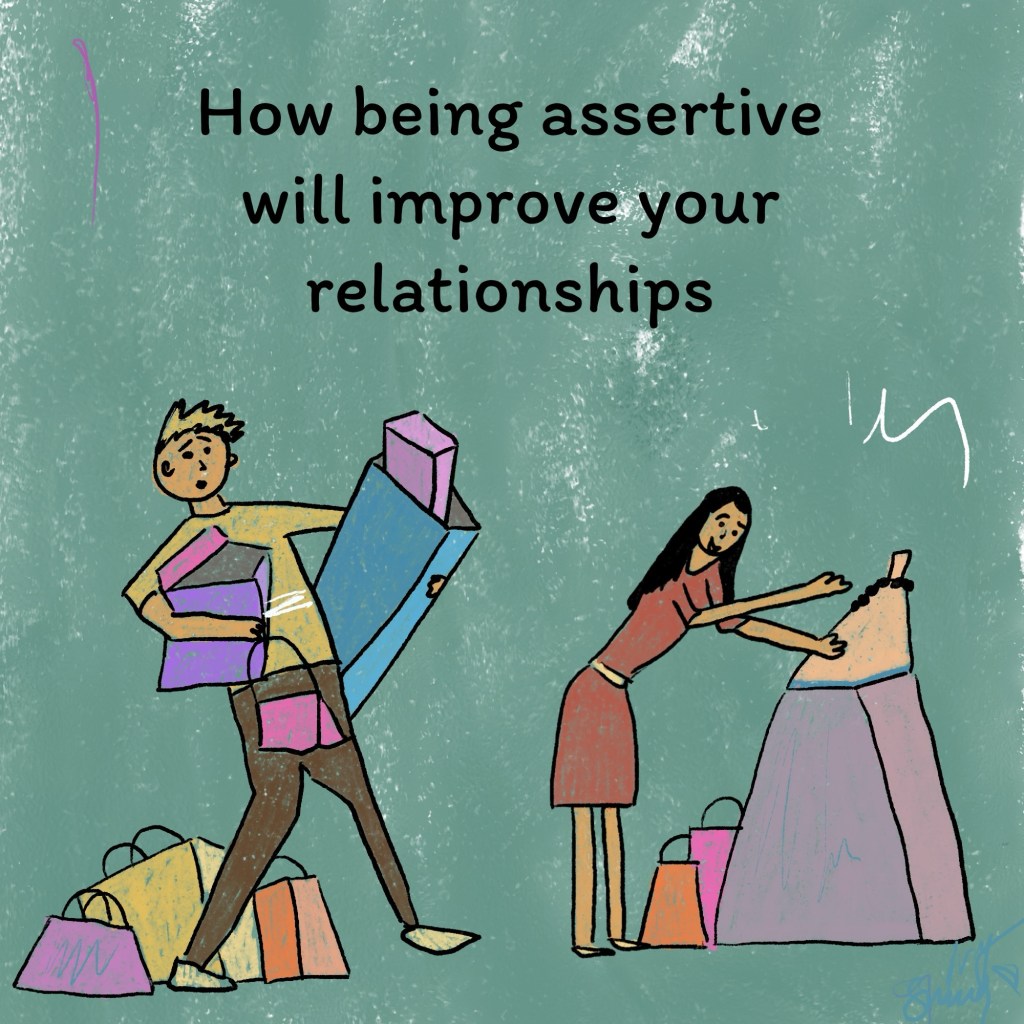
A Short Story of a Breakup
An ex-boyfriend once told me: “The thing about me is, I put my own happiness first.”
When I heard that, I was offended beyond belief.
We were on the phone, and he was explaining, at length, that he would always prioritize his own happiness over mine because, according to him, happiness is an individual responsibility.
“I can’t expect another person to make me happy. That’s why I need to prioritize my own happiness,” he said.
My response was almost immediate: “But I thought we were happy together?”
His reply hit like a slap: “No, I was already happy. If anything, you made me unhappy.”
Isn’t it selfish to think this way?
The Myth About Selfless Love
Many people have misconceptions about what love in a relationship should look like.
Romantic books and movies preach that “true” love is unconditional – that it’s all about giving selflessly, expecting nothing in return, and always putting your partner’s needs first.
That might work in a parent–child relationship, but not in romantic love.
Healthy relationships are built on equality, mutual give-and-take, and keeping attraction alive, often by maintaining just enough uncertainty to keep things interesting.
What relationships are not about is putting your partner’s needs above your own every time, or endlessly showering them with love while they give little to nothing back.
And they’re definitely not about “becoming one” by losing your own identity.
Mimicry in relationships
Mimicry happens when someone unconsciously mirrors their partner’s body language, habits, or personality traits in an attempt to bond.
The desire to be liked often makes people pour their energy into studying their partner’s unique quirks, then adopting them as their own.
You’ve probably seen this before – someone seems to completely change every time they enter a new relationship. This is known as the chameleon effect.
While a little mirroring is natural, the danger is clear: over time, people start losing themselves in their partner.
They stop stating what they really want or need, hoping that silence will mean less judgment and more approval.
This kind of self-erasure shows up in all sorts of day-to-day situations: (are you guilty of these?)
- You always let your partner pick the movie, even though you don’t enjoy their taste.
- You go along with their food or shopping choices, even when you’d buy something completely different.
- You’d love to rearrange the house, but since they’re against it, you never do.
- You enjoy the cinema, but because they don’t, you stop going.
- You need sleep, but they’re a night owl – so you adjust your schedule to match theirs.
- You disagree on what gift to bring to a friend’s birthday, but you cave to their choice.
- You go along with their bedroom preferences, even when you’d rather ask for something else.
- You want more (or less) time together, but you keep it to yourself so you don’t seem needy or distant.
You might tell yourself this is kindness, humility, or self-sacrifice. But let’s be real: constantly putting your partner in the spotlight while dimming your own light isn’t noble, it’s unhealthy.
And if you’ve ever felt like you’re giving too much but receiving little in return, that’s your gut already telling you something’s off.
Why You Might Struggle to Assert Yourself
Being assertive doesn’t come naturally to everyone, especially empathetic people.
For many, the very idea of putting their own needs first feels… wrong. In their minds, “assertive” = “selfish.” And selfish = bad. So they stay quiet.
Other times, they’re afraid that if they spoke up, people would like them less.
But here’s the truth: always putting your partner’s needs above your own is actually the worst thing you can do, for both of you.
Here’s why:
When you don’t state your needs clearly, you create imbalance. Your partner may not even realize you have different wants, needs, or opinions. And if you do speak up once, but then quickly cave, what you’re really signaling is that their values matter more than your own.
And if you don’t value yourself… why should anyone else?
Does that make sense?
Over time, this imbalance turns into something darker. People-pleasers who constantly swallow their desires begin to feel unappreciated and misunderstood. That unspoken frustration builds up, eventually leaking out as passive-aggressive behavior.
Then comes the breaking point.
After bottling things up for too long, they finally try to assert themselves, but by then, the relationship feels unbearable. They’re drained, resentful, and exhausted.
The sad twist? At that moment, their partner often feels blindsided. “Why didn’t you say anything before? Were you pretending this whole time?”
And so, the relationship crumbles – leaving both sides bitter and confused about what went wrong.
How Lack of Assertiveness Destroys Your Relationships
When you constantly neglect your own needs for the sake of your partner’s, you plant the seeds of resentment, and they always grow.
- You build frustration within yourself that inevitably leaks into the relationship.
- You miss out on opportunities for self-development by ignoring your own interests.
- You stop living your life and start living theirs.
- By dismissing your desires, you send yourself the message that they, and therefore you, are unimportant.
- You feel increasingly unsatisfied with the quality of the relationship.
- You unconsciously “train” your partner to treat you as less important, fueling imbalance.
- You create communication breakdowns, because the real issues are never properly addressed.
- You lose your identity, becoming dependent on your partner, and suffering far more if the relationship falls apart.
And when it does fall apart, you may be tempted to slip into the victim mentality:
“But my only fault was being so generous and kind! I sacrificed everything, and they still left me! How could they be so ungrateful after all I did?”
Here’s the tough pill:
Not asserting your needs is a toxic behaviour.
Yes, even if your intentions were “good.” Because the impact isn’t good – not on you, not on your partner, and not on the relationship.
You might think your partner is “reaping the benefits” of your constant sacrifices, but the truth? They’re not. What they’re really getting is an imbalanced, unstable relationship built on unspoken resentment instead of authenticity.
Assertiveness Is Healthy
People want to see their partner as an equal – someone independent, grounded, and with high value. That’s what adds value to their life.
Nobody wants the burden of being fully responsible for someone else’s happiness. That’s not love, it’s emotional babysitting.
So hear this: being assertive is the healthy thing.
It doesn’t mean you don’t care about your partner or that you stop compromising when your wants differ. It’s not about being bossy, picking fights, or bulldozing your way through disagreements.
The mistake many make is confusing passivity with maturity. They think: “If I step back, refuse to defend what I care about, and just keep the peace, that makes me the bigger person.”
Wrong, wrong. That’s not maturity – it’s avoidance. And it silently poisons the relationship.
Being Assertive Makes You Attractive
If you’re afraid that stating your needs will scare your partner off, let me flip that script: assertiveness is exactly what mature people want in a partner.
Your partner wants to make you happy. But they can’t do that if they don’t know what actually makes you happy. When you clearly express your likes, needs, and values, you give them the roadmap to love you better.
And when you assert yourself instead of playing second fiddle, you send a powerful signal:
- You’re capable of taking care of yourself.
- You’re with them because you want to, not because you need to.
That makes you magnetic. It shows your partner that if they take you for granted, they could lose you. And that awareness pushes them to invest more effort, care, and love into the relationship.
NB: Some people will hate your assertiveness. Why? Because they thrive on taking advantage of people who don’t set boundaries. To them, your lack of assertiveness is like blood in the water, they’ll circle and feed until you’re drained.
But those are the wrong kind of people. (Read more about narcissistic people in this section). The right partner won’t punish you for being assertive. They’ll respect you more for it.
How to Be Assertive in Relationships
To be assertive means expressing your thoughts, needs, wants, feelings, and personality directly and with confidence.
It’s about standing up for yourself without tipping into aggression, or shrinking into passivity.
Assertiveness Checklist
- You express your opinions without censoring yourself out of fear of not being liked.
- You pay attention to your needs and desires and state them clearly – whether it’s what you want for lunch, how you want to spend the weekend, or your favorite movie genre.
- You feel comfortable asking for what you want in a respectful, direct way.
- You set and maintain boundaries. You’re clear about what’s acceptable and what’s not, and you let people know (without blowing up) when they cross the line.
- You stand up for yourself – defending your rights and interests firmly, without being aggressive or submissive.
If you’ve realized you weren’t assertive enough in your relationship, don’t try to overhaul everything overnight. Start with small, everyday things:
- Tell your partner about a new dish you’d like to try.
- Suggest what you’d like to do this weekend.
- Mention a show, book, or hobby you genuinely enjoy.
If your partner doesn’t take it seriously? Go do that thing on your own.
This not only builds confidence in honoring your own needs, it also shows your partner that your happiness isn’t 100% dependent on them.
Because at the end of the day, the only person who truly belongs on a pedestal in your life – is you.
Read more like this:
What makes a man stop appreciating a woman
How to not get bored in a relationship
Signs a guy likes you when you just met
How to get over a crush and lose feelings
TheThinkAbout is a website based on psychology in practice and experience.
Like the articles? Subscribe to never miss anything.
Your contribution matters! If you find this website helpful, please support our work. Thank you for visiting!
 The think about
Leave a comment