

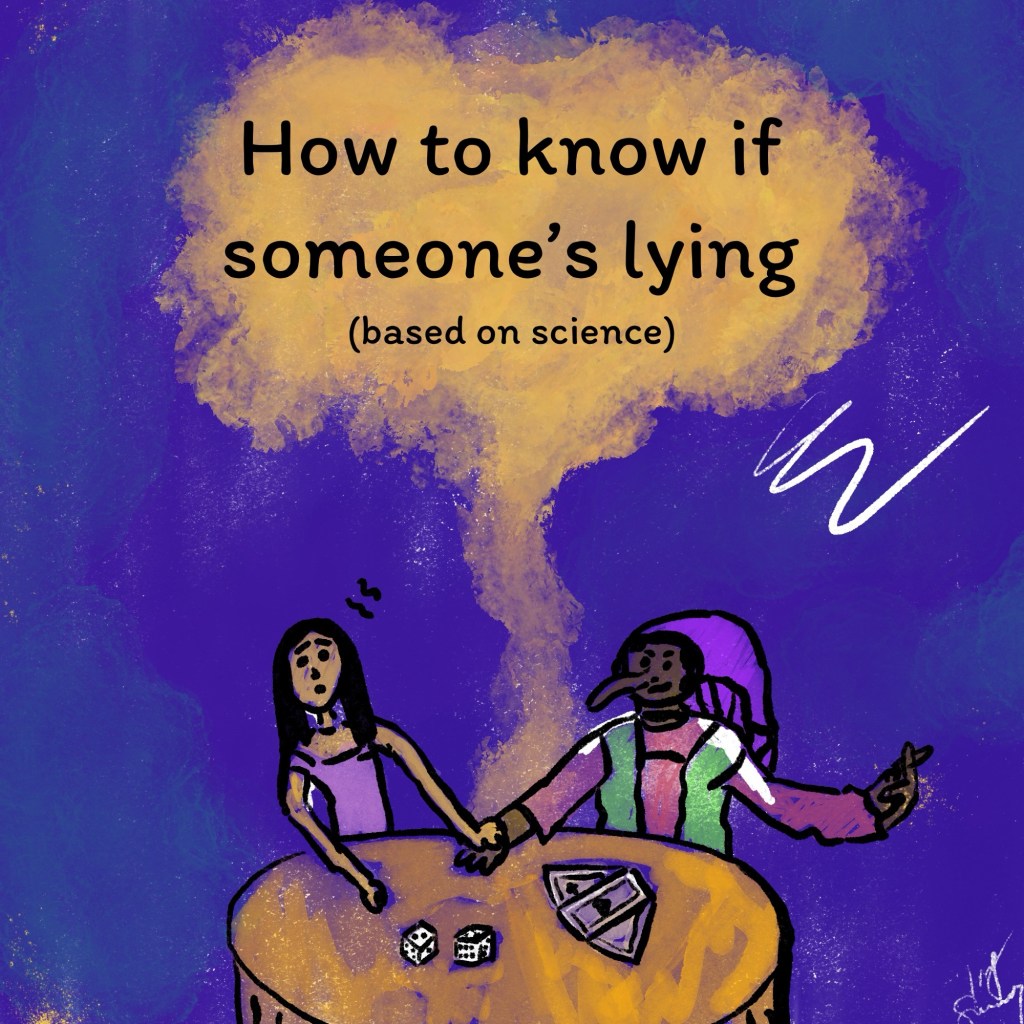
Do you know who some of the best “ people readers” are?
Gypsy fortune tellers.
Yep, you heard that right. Even though people get scammed all the time, many still pay psychics to “reveal their destiny.”
Just yesterday, my cousin Tina was stopped on the street by three gypsies offering a palm reading.
The youngest one immediately began talking about Tina’s life, her dating struggles, her money problems, and even predicted she would soon meet a tall, blond man.
Tina was so enchanted by the gypsy’s words that she almost got robbed without noticing.
“But…everything she said was so true!” Tina told me later, completely baffled.
“How could she possibly know all that when we’ve never met before?”
How Can Someone Read You Like a Book?
The answer: cold reading.
It’s the same trick you see on TV, when a so-called mentalist randomly picks someone from the audience and starts revealing intimate details about their life, without ever having met them before.
Cold reading creates the illusion of psychic powers, when in reality it’s just a clever use of observation and psychology.
Don’t believe me? Do you know James Randi and his “One Million Dollar Paranormal Challenge”?
The challenge ran for years.
James offered a big cash prize (at one point a full million dollars) to anyone who could demonstrate psychic, paranormal, or supernatural powers under controlled conditions. Plenty of psychics, mystics, dowsers, and astrologers claimed they’d try. None passed the tests.
Most of the time, it’s just cold reading.
Here’s how it works:
- Barnum statements – named after psychologist P.T. Barnum, these are vague statements that sound specific and personal but could apply to almost anyone. For example: “You’ve been through some challenges recently, but things are starting to look up.” Almost everyone will nod along.
- Fishing – Asking open-ended questions to get you to provide the information. Like: “I sense a strong connection with someone whose name starts with J or M… who could that be?” The person ends up doing most of the work.
- Observing body language – Clothing, jewelry, posture, tone of voice… readers notice tiny details and make educated guesses about your lifestyle or personality.
- Shotgunning – Rapid-fire guesses, waiting to see what sticks. They’ll throw out a bunch of statements and focus on the ones that get a reaction.
- Vague predictions – “I see travel in your future” or “You’ll soon face an important decision.” These can mean almost anything, so people naturally fit them to their lives.
- Establishing a connection – By using flattery, empathy and “deep listening”, the reader builds rapport and earns trust, making you more receptive to their claims.
Do you think these clairvoyants study psychology textbooks?
Of course not. They use these techniques instinctively, without even knowing the science behind them.
And here’s the thing: you can use the very same techniques to spot a liar.
Ways to tell if someone’s lying to you
Ask a lot of rapid questions in a row
Firing a series of quick questions doesn’t give a liar much time to think or construct a believable story.
When people lie, their answers often sound vague and lack concrete details.
Why? Because giving details under pressure is risky. If they invent specifics, there’s a high chance they’ll forget them later, and when the story doesn’t match, the lie is exposed.
Ask a lot of questions, and watch for inconsistencies.
If they do give details, remember them. Later, bring those details back into the conversation but change one slightly. Do they nod along and accept your version? Or do they stop and correct you?
Their reaction will tell you the truth.
Unconscious reactions
You’ve probably heard the classics: sweating, fidgeting, avoiding eye contact, or touching the face. But here’s the truth: those signals don’t always mean someone is lying.
They could be anxious, nervous or uncomfortable for whatever reason.
When people know they’re being watched, they often control their obvious body language. That’s why unconscious, split-second reactions are more important.
These are things like microexpressions – tiny, involuntary flashes of emotion that leak out before the brain can stop them. They’re quick and hard to fake, but once you learn to notice them, they can be very telling. (You can read more about microexpressions here.)
Establish a baseline when they are truthful
One of the best techniques is to first observe how someone behaves when they are definitely telling the truth.
This creates a “baseline” of their normal behavior.
For example, many believe that liars avoid eye contact. Sometimes that’s true , sometimes it isn’t.
Skilled liars may actually overcompensate, locking eyes too intensely. They also know their eyes will tell them off. Sometimes, extensive eye contact might be the tell-tale sign that someone’s lying.
So instead of relying on one “universal rule,” notice how that specific person acts when being honest.
To establish a baseline, ask them several questions you already know the answers to.
If they tell you the truth, observe their reactions.
Do they make steady eye contact or glance away to think? Do they gesture a lot with their hands, or keep still? Touch their face, rub their chin, or play with their hair? Raise their eyebrows, shake their head, or show other small tics?
Try to remember these tiny things.
Later, when their behavior suddenly changes, that’s when your radar should go up.
Make them tell you a lie
How do you do that?
Just ask them to tell you a fictional story!
As they think of it, watch where their eyes go. A glance up and to the right often signals deceit. This happens because the right part of the brain handles creativity, while the left part handles visual memory.
Most people, when recalling something that actually happened, involuntarily look up and to the left, as they try to visualize a memory.
But once again – this isn’t a universal rule, because some people do the opposite.
That’s why you need to test how THIS person reacts when lying versus telling the truth. You can even check it on yourself: your eyes don’t move the same way when creating fiction versus remembering reality.
Do the unexpected
The more times a person tells you a fake story, the easier it is to spot inconsistencies.
Don’t interrogate them, this will make them defensive. Instead, appear curious and ask them to repeat the story again and again on different occassions.
Then hit them with an unexpected question.
For example: say your boyfriend claims he was home watching a movie with a friend, but you suspect otherwise. Ask which movie he watched and whether he liked it. Then ask how the movie ended.
This technique is tricky and shouldn’t be relied on entirely, because the most skilled liars often mix lies with real details – so that “movie he just saw yesterday” might actually be something he saw last week.
A liar prepares their story, so to catch them off guard, interrupt them mid-story with an unrelated question, then return to the story later.
Ask about the story in reverse
Of course, don’t make it obvious you’re asking them to recount the story backward. Do it casually and play dumb.
To tell a story from end to beginning, a person needs a real memory of it.
Think about it, when you tell a fictional story, it’s hard to tell it in reverse because how can you remember something that didn’t actually happen?
Look for too much unrequested details
For the same reason that some liars look you in the eye more often, they give way too much unnecessary details. They try to cover every angle before you even think to ask any questions.
These extra details are meant to distract you and convince you of their story.
Double check
If the story involves other people, double check with them what actually happened.
Sometimes you don’t need to ask directly.
For example, a friend of mine told her her boyfriend we were shopping on that day. But me and my boyfriend were actually on a trip. My boyfriend tagged me on Facebook that we’re out of town and she got caught cheating.
No single method guarantees 100% accuracy.
People react differently to stress or anxiety and may show signs of deception even when telling the truth – either because they’re nervous or scared of being wrongly accused.
To determine if someone is lying, you need to combine multiple techniques.
Did this help?
I want to know more about reading people!
See the proven way to skyrocket your self-confidence
I’m dealing with breakup problems…
TheThinkAbout is a website based on psychology in practice and experience.
Like the articles? Subscribe to never miss anything.
Your contribution matters! If you find this website helpful, please support our work. Thank you for visiting!
 The think about
Leave a comment